Last Updated: November 1, 2026
Quick Summary
Appliances break down because of heat, dust, overloading, and worn moving parts, often compounded by electronic controls that fail without warning. Most of these causes are preventable with routine care such as clearing lint, coils, and vents, and loading machines within their rated capacity.
- Clean dryer lint traps after every load to keep airflow clear.
- Clean refrigerator condenser coils every three months.
- Load washers, dryers, and dishwashers within their rated capacity.
- Compare repair cost against replacement price, not the original purchase price.
- Ask for the diagnosis and estimate in writing, including part availability.
Table of Contents
- Why Appliances Break Down Frequently Today
- Common Causes of Appliance Breakdowns
- Do Modern Appliances Fail Sooner Than Older Models?
- How to Prevent Appliance Breakdowns With a Maintenance Schedule
- The Most Common Appliance Repairs Homeowners Face
- Repair or Replace: A Decision Framework
- Booking Your Next Appliance Repair in Tulsa
- Frequently Asked Questions
Why Appliances Break Down Frequently Today
Homeowners across the Tulsa area often ask why a machine that lasted fifteen years now fails after five?
Most breakdowns are not mysterious. They come from heat, dust, overloading, and worn moving parts, often combined with electronic controls that fail in ways a simple mechanical part would not.
Many homeowners find that the appliances they use hardest, such as the dryer, dishwasher, and refrigerator, fail first.
Common Causes of Appliance Breakdowns
Breakdowns usually trace back to a handful of recurring problems. Recognizing them early helps you decide whether a simple cleaning will solve the issue or whether a technician needs to look inside.
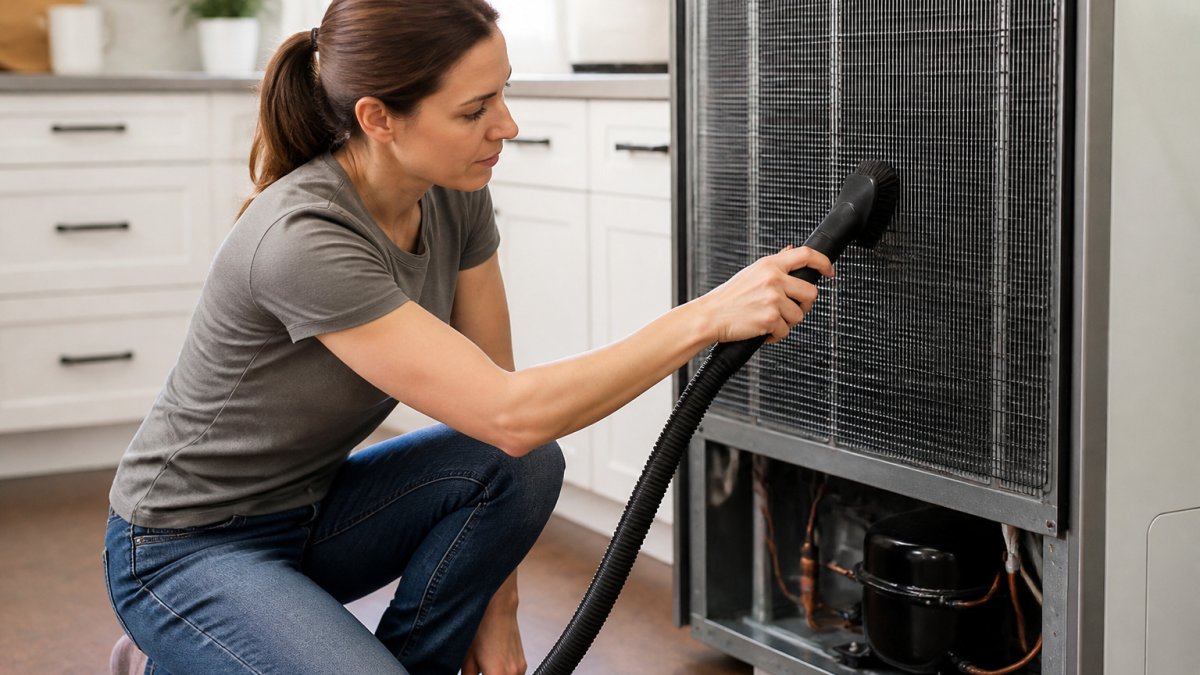
Overheating is one of the most frequent culprits. When airflow is restricted, components run hot, and heat is the enemy of circuit boards, motors, and seals.
Clogged Coils, Filters, and Vents
Dust and lint are the quiet causes of many failures. Refrigerator condenser coils, dryer lint traps, and dryer exhaust vents all restrict airflow when they fill up. A common mistake is assuming the appliance itself is failing when the real problem is a blocked vent. Clean these parts on a schedule and many symptoms, including long drying times and warm refrigerator compartments, disappear.
Overloading and Wear on Frequently Used Parts
Overloading a washer or dryer strains the motor, bearings, and drive belt. Dishwashers packed beyond their capacity can block spray arms, leading to poor cleaning and pump stress. Over time, the parts that move, including door hinges, drum supports, and drain pumps, wear out. Loading appliances within their rated capacity is one of the cheapest forms of prevention available.
The article traces most breakdowns to a few recurring causes, each with a practical fix.
| Cause | Where it shows up | Fix |
|---|---|---|
| Overheating from restricted airflow | Circuit boards, motors, seals | Keep airflow clear |
| Clogged condenser coils | Refrigerator | Clean every three months |
| Blocked lint trap and vents | Dryer | Clean lint trap after every load |
| Overloading | Washer, dryer, dishwasher | Load within rated capacity |
| Worn moving parts | Door hinges, drum supports, drain pumps | Inspect during routine care |
Do Modern Appliances Fail Sooner Than Older Models?
The perception is widespread, and it is worth separating what is measurable from what is assumed. The honest answer is that modern appliances fail differently, and often sooner in specific ways, but the cause is rarely a single villain like planned obsolescence.
What the lifespan data actually shows
Expected service life for major appliances is generally given as a fairly wide band rather than a single number, and manufacturers and repair literature describe a shift toward failures in electronics and sealed components rather than mechanical wear alone.
A useful way to read that shift is by failure mode, not by brand reputation:
- Older mechanical designs failed gradually. A worn belt, a failing switch, or a clogged drain would announce itself with noise, slow performance, or a visible part. Repairs were often cheap and local.
- Modern electronically controlled designs fail abruptly. A control board, inverter, or sensor can take a fully functional machine offline with no warning, and the diagnostic path runs through error codes rather than observable wear.
That difference helps explain much of the perception: a repair that was once simple and inexpensive can feel very different on a newer, electronically controlled unit.
Where the durability decline is real
Several design trends genuinely shorten service life or raise repair cost:
- Lighter materials and plastic components. Plastic tubs, pump housings, and door components reduce weight and cost but can crack or deform under heat and load where metal once held up.
- Integrated control boards. Combining motor control, user interface, and sensors onto one board means a single failure takes out functions that used to be separate, replaceable parts.
- Sealed and non-serviceable assemblies. Some pumps, transmissions, and drum units are now sold as sealed modules, so a small internal failure requires replacing the whole assembly.
- Tighter tolerances and more sensors. More sensors improve performance but add failure points and make diagnosis dependent on proprietary codes.
Where the perception outruns the evidence
Planned obsolescence, meaning a deliberately engineered short life, is difficult to prove for any specific model, and independent repair data more often points to cost-driven design and complexity than to a hidden timer. Many early failures trace to ordinary causes: clogged condenser coils, restricted dryer vents, overloaded washers, hard water scale, and poor installation. A machine that fails at year five because its vent was never cleaned is not evidence of planned obsolescence; it is evidence of a maintenance gap.
The fair conclusion is that modern appliances are more feature-rich and more electronically dependent, which changes how and when they fail. Judge reliability by failure mode and parts availability, not by the age of the design.
What to check before you buy
Before buying, consider three questions that can help predict long-term reliability: Is the control board a separate, replaceable part? Are common wear parts such as pumps, belts, and igniters stocked by third-party suppliers? And what does the warranty actually cover, including labor and electronics? A model with accessible parts and a clear warranty is usually the better long-term bet, regardless of how modern it looks.
How to Prevent Appliance Breakdowns With a Maintenance Schedule
A simple routine catches most problems before they become emergencies. Consider this practical schedule:
- Monthly: Clean the dryer lint trap after every load and check the filter on any range hood.
- Every three months: Clean refrigerator condenser coils, and check dishwasher filters and spray arms for debris.
- Every six months: Inspect washer hoses for cracks, and check the dryer vent for lint buildup from the outside.
- Annually: Inspect door seals, level the washer and refrigerator, and confirm that appliances have adequate ventilation and a stable electrical connection.
Installation conditions matter too. A refrigerator without clearance behind it, a washer on an unlevel floor, or a dryer on a long, kinked vent will strain components regardless of how well it is maintained.
The Most Common Appliance Repairs Homeowners Face
Certain repairs come up again and again. Refrigerators often need coil cleaning, fan motor replacement, or thermostat work. Washers commonly fail at drain pumps, lid switches, and door seals. Dryers frequently need heating element or thermal fuse replacement, usually caused by blocked venting. Dishwashers often suffer from clogged filters, failed pumps, and worn door gaskets, while ovens most often need igniter or thermostat service.
Many of these repairs are inexpensive when caught early, and a prompt diagnosis prevents a minor fault from damaging surrounding parts.
Repair or Replace: A Decision Framework
A simple cost comparison is a starting point, not a decision. A better framework weighs five factors together, because a cheap repair on a failing appliance can still be the wrong call, and an expensive repair on a sound one can still be right.
1. Age versus expected remaining life
Estimate where the appliance sits in its service band. A 12-year-old dishwasher near the top of its expected range is a weaker repair candidate than a 4-year-old refrigerator with most of its life ahead. The question is not “how old is it” but “how many good years are left, and does the repair buy them?”
2. Repair cost as a share of replacement
Compare the quoted repair against the price of a comparable new unit, not the original purchase price. As a rough guide:
- Under 25% of replacement cost: repair is usually the clear choice, especially on a younger appliance.
- 25% to 50%: repair is reasonable if the appliance is well within its service life and the repair addresses a known wear part.
- Over 50%: replacement deserves serious weight, particularly if the appliance is past mid-life or the repair touches a sealed assembly.
3. Energy and operating cost
An older refrigerator or washer may cost noticeably more to run than a current efficient model. Factor in the annual energy difference over the years you expect to keep it. A repair that keeps a power-hungry unit alive for five more years can cost more in electricity than the repair saved.
4. Parts availability and repairability
Check whether the failed part is still manufactured and stocked. A discontinued control board or sealed drum assembly can turn a modest repair into an impossible one. Ask the technician whether the part is available new, available used, or no longer produced; that answer often decides the question on its own.
5. Warranty and diagnostic cost
Confirm what the warranty covers, including labor and electronics, and whether the repair is covered. Also account for the diagnostic fee: if you have already paid for a diagnosis, that sunk cost should not push you toward a repair you would otherwise reject.
Ask for the diagnosis and repair estimate in writing, including the part number and whether it is in stock. That single document lets you compare repair against replacement on equal terms and spot a discontinued part before you commit.
Putting it together
A practical sequence: get a written diagnosis, check the part’s availability, estimate remaining life, compare repair cost to replacement price, and consider the energy difference. If two or more factors point toward replacement, lean that way. If the appliance is young, the part is stocked, and the repair is a known wear item, repair is usually the better financial and environmental choice.
Booking Your Next Appliance Repair in Tulsa
When something stops working, speed matters. Visit our services page to see the full range of appliances we repair in Tulsa. Appliance Specialists of Oklahoma provides on-site diagnostics in your home. Our certified technicians serve refrigerators, washers, dryers, dishwashers, ovens, and microwaves across the Tulsa metro area.
Visit our services page to see what we repair, or contact our team to schedule a visit. If you are facing a sudden failure, read our guide on how to get emergency oven repair in Tulsa fast. Homeowners weighing repair against replacement for a dishwasher may find our article on signs your dishwasher needs professional repair useful. And for a complete routine, our kitchen appliance maintenance guide pairs well with the schedule above.
Frequently Asked Questions
What causes frequent appliance breakdowns?
Most frequent breakdowns trace back to a handful of causes: clogged refrigerator coils, dirty dryer vents, blocked or neglected filters, overloading washers and dishwashers, and worn parts from heavy daily use. Electronic control boards and sensors also fail more often than mechanical parts in many newer units. Keeping airflow clear and avoiding overloading prevents a large share of these problems. When a unit keeps failing after a repair, ask the technician whether the root cause, such as poor airflow or an electrical issue, was addressed rather than only the failed part.
Do modern appliances break down more often than older ones?
Many homeowners feel newer appliances fail sooner, and some newer models do rely on complex electronic controls and lower-cost components that can fail earlier than older mechanical parts. However, older units also wear out, and their parts can be harder to find. Frequent use, poor maintenance, and installation conditions such as voltage, water supply, and ventilation often matter as much as the model’s age. Checking the warranty period and the availability of replacement parts helps you judge whether an appliance is worth keeping.
Is it worth repairing an appliance that keeps breaking down?
It depends on the repair cost, the unit’s age, and how often it has failed. A common rule is to compare the estimated repair cost with the price of a comparable replacement, and to consider replacing a unit when repairs are frequent or the cost approaches the value of a new one. A repair that fixes the underlying cause, rather than one symptom, usually lasts longer. For a specific estimate on your appliance, contact Appliance Specialists of Oklahoma or check our website for current pricing and a quote.
How can I prevent my appliances from breaking down?
Clean refrigerator coils and dryer vents on a regular schedule, replace or clean filters as the manufacturer recommends, and avoid overloading washers, dryers, and dishwashers. Make sure appliances sit level, have proper water and drainage connections, and receive adequate ventilation. Scheduling periodic diagnostic checks can catch small problems, like a worn gasket or a weak fan, before they cause a full failure.