Last Updated: November 2, 2026
Quick Summary
The washer repair cost depends on what has failed. A clogged drain hose, standpipe or pump filter is usually the cheapest fix and often needs no parts. A failed drain pump costs considerably more, and an exact price requires a diagnostic visit and a written estimate for your specific washer.
- Check for a kinked or pinched drain hose and a clogged pump filter before paying for any repair.
- A humming sound during drain with no water leaving the tub can point to a failed drain pump.
- Ask whether the diagnostic fee is credited toward the repair if you go ahead.
- Compare the repair estimate with a comparable new washer, weighing the machine’s age and repair history.
- Unplug the washer and drain standing water manually before a technician handles the machine.
Table of Contents
A washer that won’t drain is one of the most common laundry problems Tulsa-area homeowners call about, and the first question is almost always the washer repair cost. The honest answer is that the total depends on what has failed, so this guide from Appliance Specialists of Oklahoma walks through the likely causes, what each repair typically involves, and how to decide between fixing and replacing. Our goal is to give you enough information to get a sensible estimate before anyone opens a panel.
Most washer drainage faults fall into two groups: a blockage in the drain hose, drain line or pump filter, which is usually inexpensive to clear, and a failed drain pump, which costs considerably more. Knowing which group you are dealing with is the single biggest factor in the final bill. Exact pricing depends on the washer model, part availability and labor rates, so we recommend requesting a written estimate for your specific repair.
Washer Won’t Drain Troubleshooting: Clog or Failed Pump?
Before you pay for any repair, rule out the simple cause. A clog in the drain hose, the standpipe or the pump filter is the most frequent reason a washer stops draining, and clearing it typically requires only basic tools and some patience.
Start by checking whether the drain hose is kinked or pinched behind the machine, then look for coins, socks or lint trapped in the pump filter, which is usually accessed through a small panel at the bottom front of the washer. If the machine drains normally after these checks, you have solved the problem without a service call.
A failed pump is more likely when the washer makes a humming or buzzing sound during the drain cycle, but no water leaves the tub. It can also fail when the pump filter is clear and the hose flows freely. Persistent error codes on the display can point toward the pump or the control board, though the code alone rarely confirms the fault.
Watch out: do not run the washer repeatedly on a drain cycle when water is not leaving the tub, because a failing pump can overheat and damage nearby components.
Repair Cost by Symptom: Drain Pump, Clog, Lid Switch and Control Board
Different symptoms point to different faults, and each carries its own cost profile. A clog is generally the least expensive outcome, since it often requires no parts at all. A drain pump is a mid-range repair. Problems with the lid switch or control board can involve more labor, especially when the washer’s electronics must be tested before the faulty component is confirmed.
Because these costs depend heavily on the washer’s make, model and age, we do not publish fixed prices for each fault. A technician can give a firm estimate after diagnosing the machine, and that estimate is the figure to compare against the cost of replacement.
Drain Pump Replacement Cost Breakdown
A drain pump replacement is generally quoted as the cost of the pump part plus the technician’s labor. The pump itself varies by manufacturer, and some models use a pump that is integrated with other components, which can affect both the part price and installation time.
Ask whether the quote separates parts from labor and whether the diagnostic visit is credited toward the repair if you proceed.
Clogged Drain Hose or Drain Line
A clogged hose or drain line is usually the lowest-cost fix. Clearing it involves removing the hose, flushing it, checking the standpipe for obstruction and reconnecting everything securely. Where the blockage is deeper in household plumbing, the job may fall outside the appliance repair and require a plumber, which is worth confirming before work begins.
Washer Repair Diagnostic Fee: What the Service Call Covers
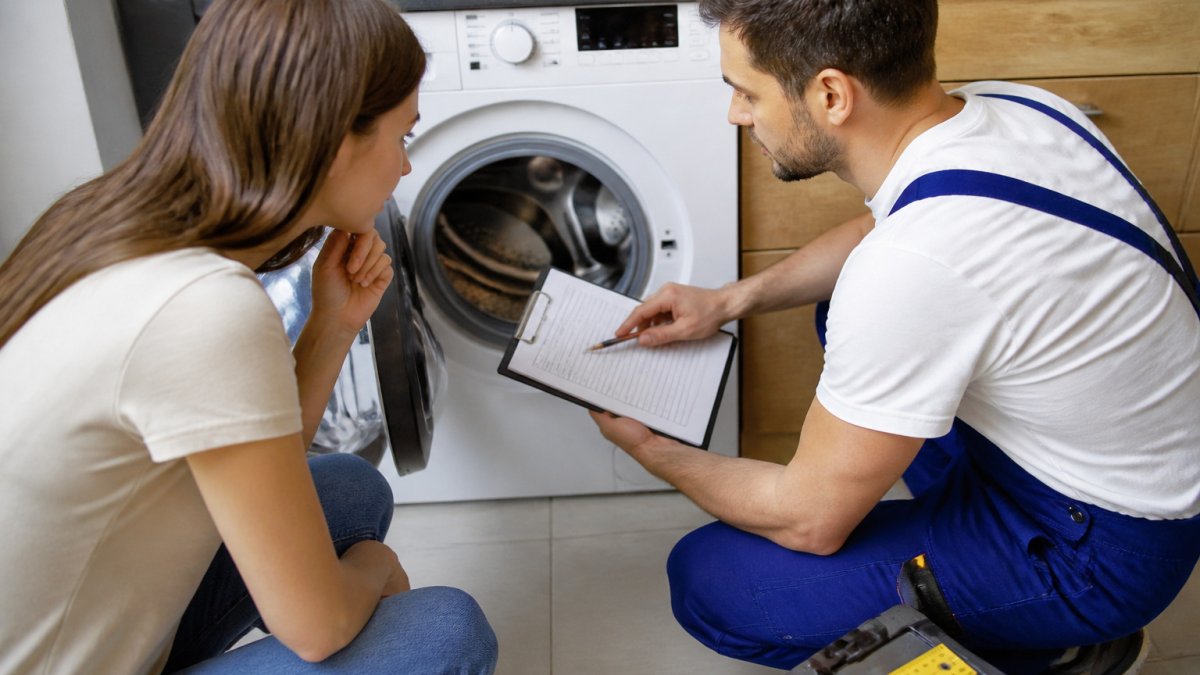
A diagnostic visit is the first step for most drainage problems. During this visit, a technician inspects the washer, runs the drain cycle, tests the pump and checks the control electronics to identify the actual fault.
When you book, ask what the diagnostic fee covers, whether it is applied to the repair cost, and what happens if you decide not to proceed. Appliance Specialists of Oklahoma aims to give transparent pricing before any work starts, and you can find current pricing on our website.
Washer Repair vs Replacement: Break-Even Guidance
Repair is generally worthwhile when the fix is modest relative to the value of a working machine and the washer is not near the end of its service life. A useful approach is to compare the repair estimate with the cost of a comparable new washer, then consider the machine’s age and how often it has needed repairs.
If a large repair is recommended on an older unit that has already required multiple repairs, replacement often makes more financial sense. Conversely, a clog or a single inexpensive part on a relatively young washer is almost always worth fixing.
Removing Standing Water and Preparing Your Washer for Service
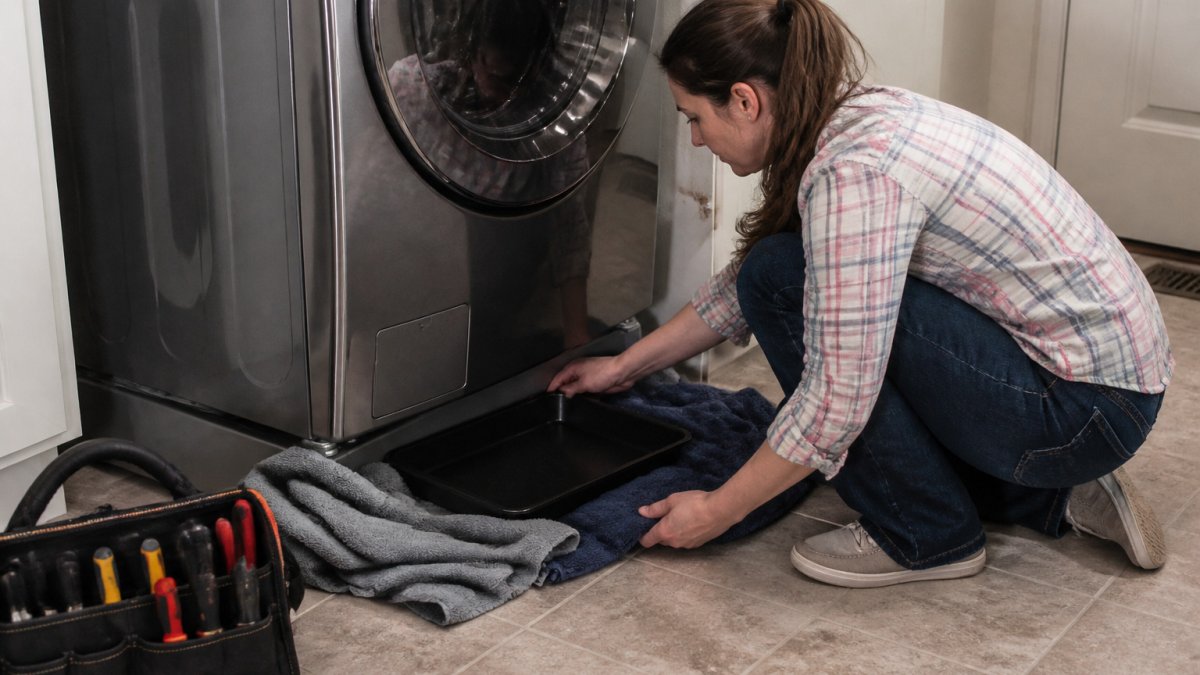
If water is sitting in the tub, take care before handling the machine. Unplug the washer from its power source first, then use towels and a shallow tray to catch water as you drain it manually through the drain hose or the pump filter. Keep the area dry and clear of trip hazards.
Once the water is removed, clear space around the machine so a technician can access it, and note the error codes or sounds you observed. This information speeds up diagnosis and can help keep the visit efficient.
Booking a Diagnostic Visit With Appliance Specialists of Oklahoma
We are a female-founded, family-run business serving the Tulsa metro area, and our certified technicians perform on-site diagnostics in your home. Most repairs are completed within three days, and we source local parts to keep the job moving. If you would like a clear estimate before committing to a repair, you can request a visit through our contact page or review our range of appliance repair services first.
Before booking, you may also want to learn how to verify appliance repair certification so you know what to look for in any technician. If you would rather try a simple fix yourself, our step-by-step guide to fixing a washer that won’t drain walks through the basic checks.
Frequently Asked Questions
How much does it cost to fix a washer that won’t drain?
Repair costs for a washer that won’t drain vary with the fault. A clogged drain hose or filter is often a low-cost fix, while a failed drain pump typically costs more because it involves both the part and labor. Pricing also depends on washer model, part availability, and local labor rates. Ask for a written estimate that separates parts, labor, and any diagnostic fee before approving work. Appliance Specialists of Oklahoma publishes its pricing on its website, so you can review current rates or request a quote.
What is the most common reason a washing machine won’t drain?
A clogged drain hose, pump filter, or drain line is the most frequent cause. Lint, coins, hair, and small clothing items collect in the pump filter and restrict water flow. A failed drain pump or a faulty lid switch can also stop draining, and a control board fault can cause the same symptom. Checking the filter and hose for blockages is a sensible first step before assuming a larger failure.
Is it worth repairing a washer that won’t drain?
It is usually worth repairing when the fault is a clog or a drain pump, and the washer is otherwise working well. Compare the repair estimate with the cost of a replacement machine. If the washer is many years old, needs multiple repairs, or the repair cost approaches half the price of a comparable new unit, replacement often makes more financial sense. Factor in the expected remaining life of the machine.
Does a washer repair technician charge a diagnostic fee?
Many appliance technicians charge a diagnostic or service call fee to inspect the washer and identify the fault. Some providers apply this fee toward the repair if you approve the work. Ask about the diagnostic fee before the visit, and confirm whether it is credited against the final bill. Transparent providers explain the total cost before any work begins.