Last Updated: October 25, 2026
Quick Summary
Common appliance repair mistakes homeowners make include misdiagnosing problems, voiding warranties through unauthorized repairs, and attempting unsafe fixes that cause more damage than the original issue. These mistakes often result in spending far more than professional service would cost, with repair expenses escalating from hundreds to thousands of dollars.
- A refrigerator cooling problem might need only a $20 drain cleaning, but misdiagnosis can lead to unnecessary $800 compressor replacement.
- Opening an appliance to repair it yourself can void manufacturer warranty coverage, converting covered repairs into out-of-pocket expenses.
- Overloading washing machines damages the drum, suspension, and motor, reducing a 10-year appliance lifespan to just two years.
- If repair cost exceeds 50 percent of replacement cost, consider replacing the appliance instead, especially if it’s over 12 years old.
- Always unplug appliances completely before any repair work to avoid electrocution from retained electrical charge in capacitors.
Table of Contents
- Why Common Appliance Repair Mistakes Cost More Than Professional Service
- DIY Appliance Repair Mistakes That Void Your Warranty
- Appliance Repair Safety Tips: What You Must Know Before Touching Your Appliances
- Common Refrigerator Repair Problems and Why Homeowners Get Them Wrong
- Overloading, Leveling, and Other Washing Machine Mistakes That Damage Your Appliance
- When to Repair or Replace an Appliance: The 50/50 Rule and Beyond
- Schedule Your Professional Appliance Repair Today
- Frequently Asked Questions
Why Common Appliance Repair Mistakes Cost More Than Professional Service
When homeowners attempt common appliance repair mistakes in 2026, they often end up spending far more than if they’d called a professional from the start. What seems like a money-saving shortcut typically backfires.
The real cost isn’t just the repair itself. It’s the compounding damage that happens when the wrong fix is applied. A refrigerator that won’t cool might need a simple thermostat replacement, a $150 job. But if you misdiagnose it and replace the compressor instead, you’ve just spent $800 on a part you didn’t need, and the fridge still won’t work. Now you’re calling a technician anyway, except they’re inheriting a partially disassembled appliance and a frustrated customer.
Homeowners delay calling for professional help, try a DIY fix based on online videos, make the situation worse, and then face emergency service calls with higher urgency fees. The appliance repair mistakes that seem minor, skipping a diagnostic step, using the wrong replacement part, not checking the warranty implications, cascade into thousands of dollars in unnecessary expenses.
The difference between a professional and a DIY attempt isn’t just knowledge. It’s accountability. When something goes wrong with a professional repair, there’s recourse. When your own repair fails, you’re out the money and the time.
DIY Appliance Repair Mistakes That Void Your Warranty
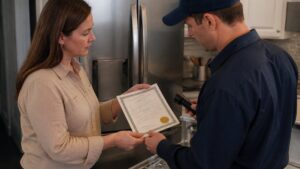
One of the most expensive appliance repair mistakes homeowners make is not understanding how their warranty works before attempting repairs. Many appliances come with manufacturer coverage that explicitly voids if unauthorized work is performed.
Opening your dishwasher to replace a spray arm might seem harmless. It’s not. If you crack an internal component while it’s open, the manufacturer can deny your claim. You’ve just converted a covered repair into an out-of-pocket expense. Worse, if the appliance fails shortly after your DIY attempt, the manufacturer may argue that your work caused the failure, even if it didn’t.
The warranty void isn’t always obvious. Some manufacturers require that repairs be performed by certified technicians. Others specify that only manufacturer-approved parts can be used. A replacement motor from an online marketplace might be cheaper, but it disqualifies you from coverage. You won’t know this until you file a claim and it’s rejected.
Understanding appliance warranty coverage and repair requirements is essential before you touch anything. Most warranties include language about “unauthorized modifications” that’s broad enough to catch DIY work.
Before attempting any repair, check your appliance’s warranty documentation. Call the manufacturer if you’re unsure. Learn more about what warranty coverage means for your specific appliance to avoid costly mistakes. If the appliance is still under coverage and something goes wrong, professional repair ensures the work is documented and covered.
Appliance Repair Safety Tips: What You Must Know Before Touching Your Appliances
Appliance repair safety is non-negotiable. Refrigerators contain pressurized refrigerant. Dishwashers and washing machines have high-voltage components. Dryers generate extreme heat. Ovens have sharp edges and thermal hazards. A single mistake can cause electrocution, chemical burns, or severe cuts.
The most critical safety step is unplugging the appliance before any work begins. Not switching it off, unplugging it completely from the wall outlet. Even with the power off, some appliances retain electrical charge in capacitors.
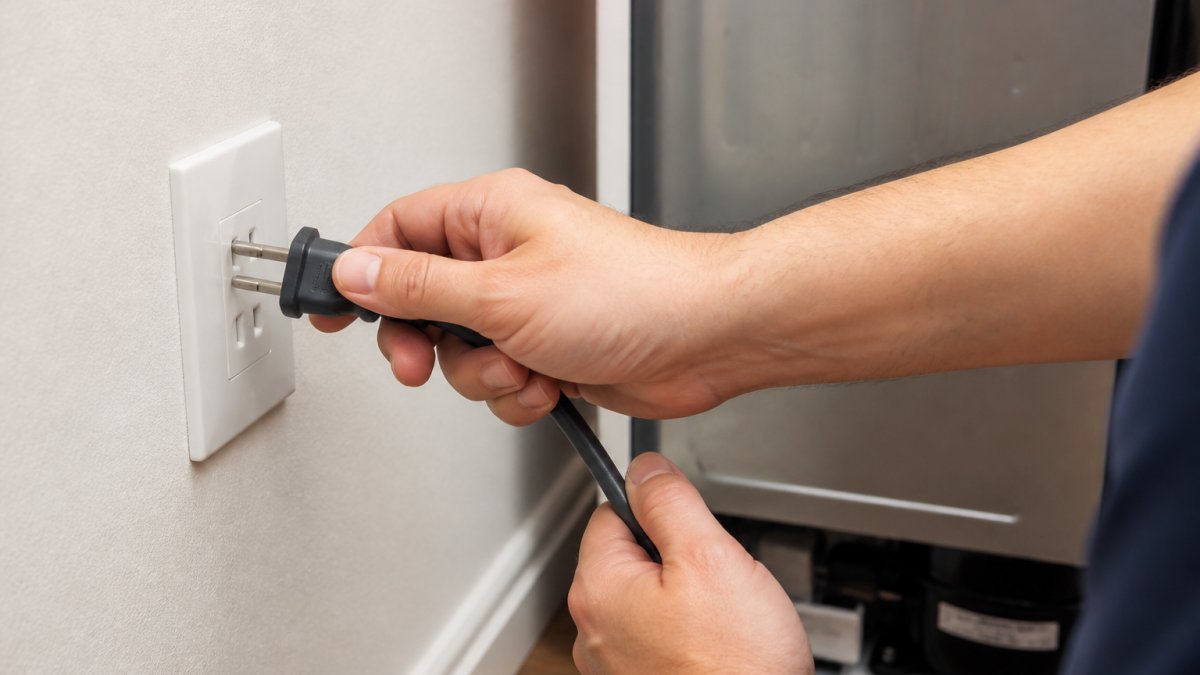
Watch out: Never assume an appliance is safe because it’s not running. Gas-powered components, pressurized systems, and electrical capacitors can cause serious injury even when the appliance appears inactive.
Before you open any panel or remove any part, ask yourself: Do I know exactly what’s inside this component? Can I identify every electrical connection? Do I have the right tools to safely disconnect and reconnect parts?
Common appliance repair safety mistakes include working on wet surfaces, using improper tools, and attempting repairs without knowing where the water shutoff valve is located.
OSHA guidelines for safe appliance repair and maintenance outline the hazards. Most homeowners underestimate them. Professional technicians have training, proper equipment, and insurance to handle these risks safely.
Common Refrigerator Repair Problems and Why Homeowners Get Them Wrong
Refrigerators fail in predictable ways, and homeowners often misdiagnose the problem. The most common refrigerator repair problem is poor cooling, and it has multiple possible causes.
A fridge that’s not cooling well might have a clogged defrost drain, a frozen evaporator coil, a failed thermistor, or a compressor issue. Each requires a different fix.
The defrost drain is the most overlooked component. Located at the back or bottom of the fridge, it’s designed to channel condensation out of the appliance. When it gets blocked by food particles or ice, water backs up and freezes the evaporator coil.
Another common mistake is not checking the temperature settings. Refrigerators have a dial or digital control. If someone accidentally turned it down, the fridge will run, but it won’t reach the right temperature. This gets misdiagnosed as a compressor failure when it’s actually a user error.
The thermistor, a temperature sensor, fails sometimes, and the fridge stops cooling even though the compressor works fine. Replacing it is straightforward if you know what you’re looking for. But if you don’t, you might replace the compressor instead, spending hundreds on a part you didn’t need.
Professional diagnostics identify which component is actually failing. That’s why on-site diagnostics matter. A technician can test the compressor, check the thermostat, inspect the coils, and confirm the real problem before any parts are ordered.
Overloading, Leveling, and Other Washing Machine Mistakes That Damage Your Appliance
Washing machines are strong, but they fail when homeowners ignore basic maintenance and operating guidelines. The most common washing machine mistakes are overloading and improper leveling.
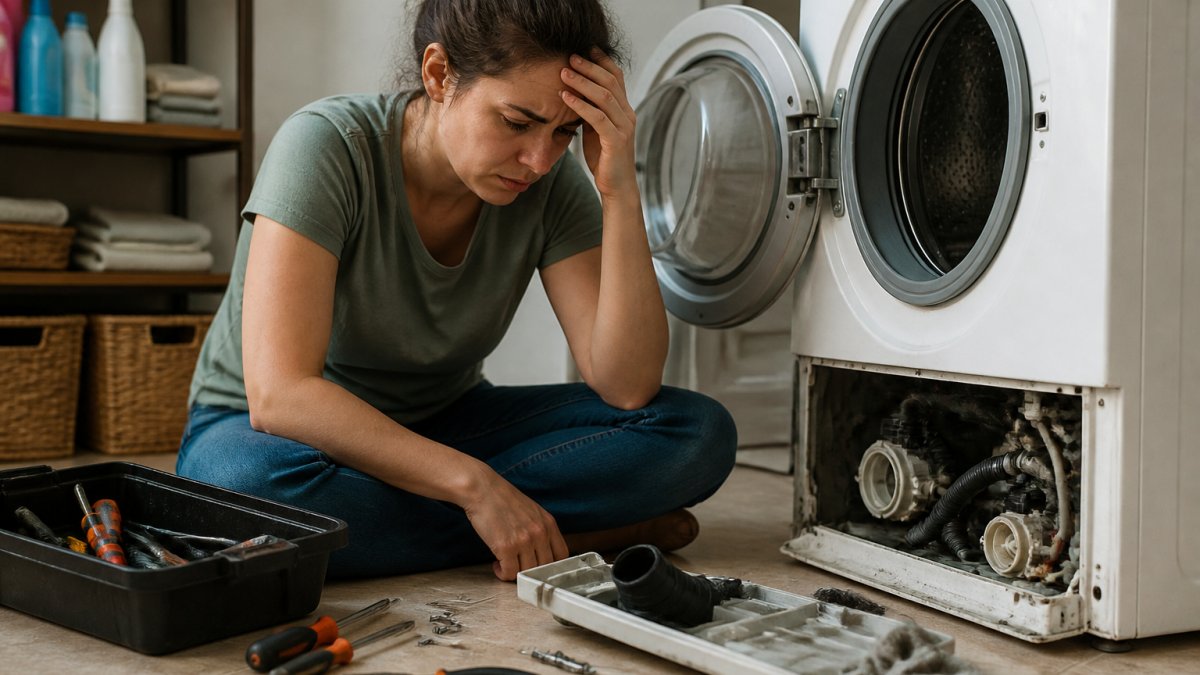
Overloading damages the drum, the suspension system, and the motor. A washing machine is designed to handle a specific weight of fabric. Jamming in twice that amount doesn’t just mean clothes won’t get clean, it strains every component.
Leveling is equally critical and equally overlooked. A washing machine that’s not level will vibrate excessively during the spin cycle. That vibration damages the suspension, the drum bearings, and the housing. Over time, it can crack the drum itself.
Another mistake is using too much detergent. Modern machines and modern detergents are designed to work with less soap than older methods required. Excess detergent doesn’t rinse out completely, leaving residue that builds up inside the machine.
Watch out: Ignoring a drainage problem in a washing machine is expensive. If the machine won’t drain, water sits in the tub and can damage the motor and control board. The fix is usually a clogged drain hose or a failed drain pump.
Washing machines that won’t spin or won’t drain are often fixable with basic cleaning and part replacement. But these problems escalate quickly if ignored. Explore preventive maintenance strategies to keep your appliances running longer and avoid the costly repairs that come from deferred maintenance.
When to Repair or Replace an Appliance: The 50/50 Rule and Beyond
The decision to repair or replace an appliance isn’t always straightforward, but there’s a useful framework: the 50/50 rule.
An old refrigerator that needs a compressor replacement might cost $800 to fix. A new refrigerator starts around $600-$1,200. If you’re at or above the 50 percent threshold, replacement often makes financial sense.
Consider the age of the appliance. If it’s already 12 years old and the repair is 40 percent of replacement cost, you’re likely better off replacing it. The repaired fridge might last another 2-3 years.
Warranty status matters too. If the appliance is still under coverage, repair is almost always the right choice. If it’s out of warranty and aging, replacement becomes more attractive.
Energy efficiency is another factor. Older appliances consume significantly more electricity than modern ones. A 15-year-old refrigerator might cost $200 more per year to run than a new Energy Star model.
Smart appliances add another layer. Modern dishwashers, refrigerators, and washing machines have control boards and sensors that are expensive to replace. A failed control board in a smart refrigerator might cost $400-$600.
The best approach is to get a professional diagnostic and quote. Know the actual repair cost before deciding. Consumer Reports appliance replacement guide provides benchmarks for when replacement typically makes sense by appliance type and age.
Schedule Your Professional Appliance Repair Today
Common appliance repair mistakes are expensive, dangerous, and often preventable. The safest, most cost-effective approach is professional diagnosis and repair from the start.
Our certified technicians at Appliance Specialists of Oklahoma provide on-site diagnostics to identify the actual problem, not just the symptom. We work with major appliance brands and source parts locally to minimize repair time. Most repairs are completed within three days, and we stand behind our work with transparent pricing and reliable service.
When your refrigerator stops cooling, your washing machine won’t drain, or your dryer isn’t heating, don’t guess at the fix. Get a professional appliance repair diagnosis and quote and contact us to schedule your repair. We serve the Tulsa metro area with fast, affordable, dependable service that gets your appliances working again without the costly mistakes.
Appliance failures are frustrating, but the real cost comes from misdiagnosis and DIY attempts that make things worse. Professional repair saves time, money, and stress. Reach out to Appliance Specialists of Oklahoma today, our certified technicians will diagnose your appliance problem accurately, source the right parts locally, and complete your repair quickly so your home runs smoothly again.
| Mistake | Cost Impact | When to Call a Professional |
|---|---|---|
| Misdiagnosing the problem | $400-$800 in unnecessary parts | Before ordering any parts |
| Voiding the warranty | Loss of coverage + full repair cost | Before opening any panel |
| Improper safety procedures | Injury or electrical damage | Always, for electrical/gas components |
| Overloading washing machine | Suspension damage, motor failure | Preventive: follow capacity guidelines |
| Ignoring drainage problems | Control board corrosion, motor damage | Within 24 hours of noticing issue |
| Using wrong replacement parts | Appliance failure, warranty void | Use manufacturer-approved parts only |
| Skipping leveling checks | Excessive vibration, bearing damage | Before each major repair |
Frequently Asked Questions
What are the most common appliance repair mistakes homeowners make?
The most frequent mistakes include attempting repairs without unplugging the appliance, overloading washers and dishwashers, ignoring warning signs like unusual noises or water leaks, and using incompatible replacement parts. Many homeowners also skip basic maintenance like cleaning dryer vents and refrigerator coils, which leads to preventable failures. These mistakes often worsen the original problem and create safety hazards.
Can DIY appliance repairs void a warranty?
Yes. Opening your appliance or performing repairs without authorization from the manufacturer can void your warranty immediately. Most appliance warranties require that only certified technicians perform repairs. Even if your appliance is out of warranty, unauthorized repairs may damage internal components like the control board or inverter, making future professional repairs more expensive. Always check your warranty documentation before attempting any DIY work.
When should you stop troubleshooting an appliance and call a repair technician?
Stop troubleshooting immediately if you see water leaks, smell burning odors, hear unusual grinding or squealing noises, or notice electrical sparks. If basic checks like ensuring the appliance is plugged in and the circuit breaker is on don’t solve the problem, call a professional. Diagnostic skills require specialized tools and knowledge; attempting to diagnose communication errors or sensor failures on modern smart appliances can cause costly damage.
How can you tell whether an appliance is worth repairing?
Use the 50/50 rule: if the repair cost is more than half the price of a new appliance, replacement is usually the better choice. Also consider the appliance’s age and failure rate. Refrigerators and washers typically last 10-15 years; if yours is near that age and requires a major repair, replacement may be more economical. A certified technician can help you evaluate whether repair or replacement makes sense for your specific situation.